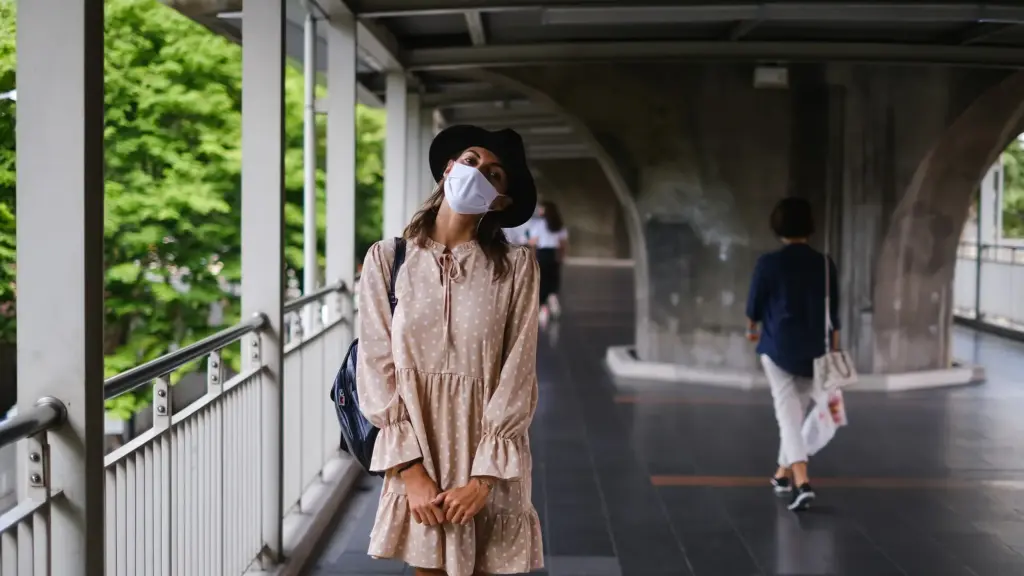
Strolling Between Light and Cool Corners
Morning Gleam, Quiet Streets

Midday Heat, Smarter Choices
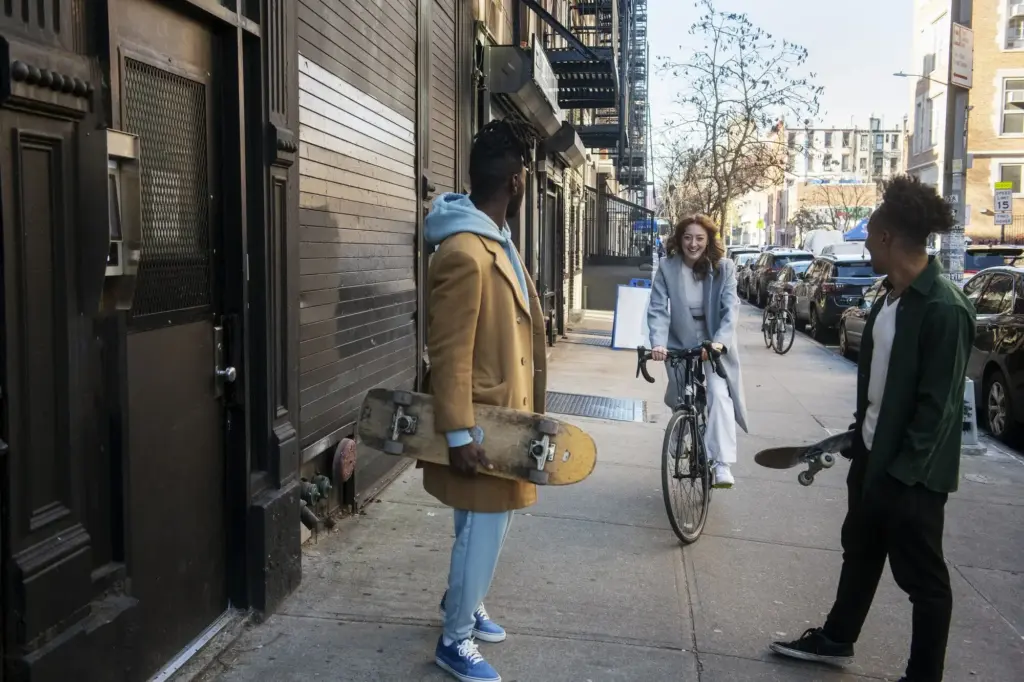
Twilight Glow, Lingering Conversations

Design Moves for Cooler, Kinder Walks
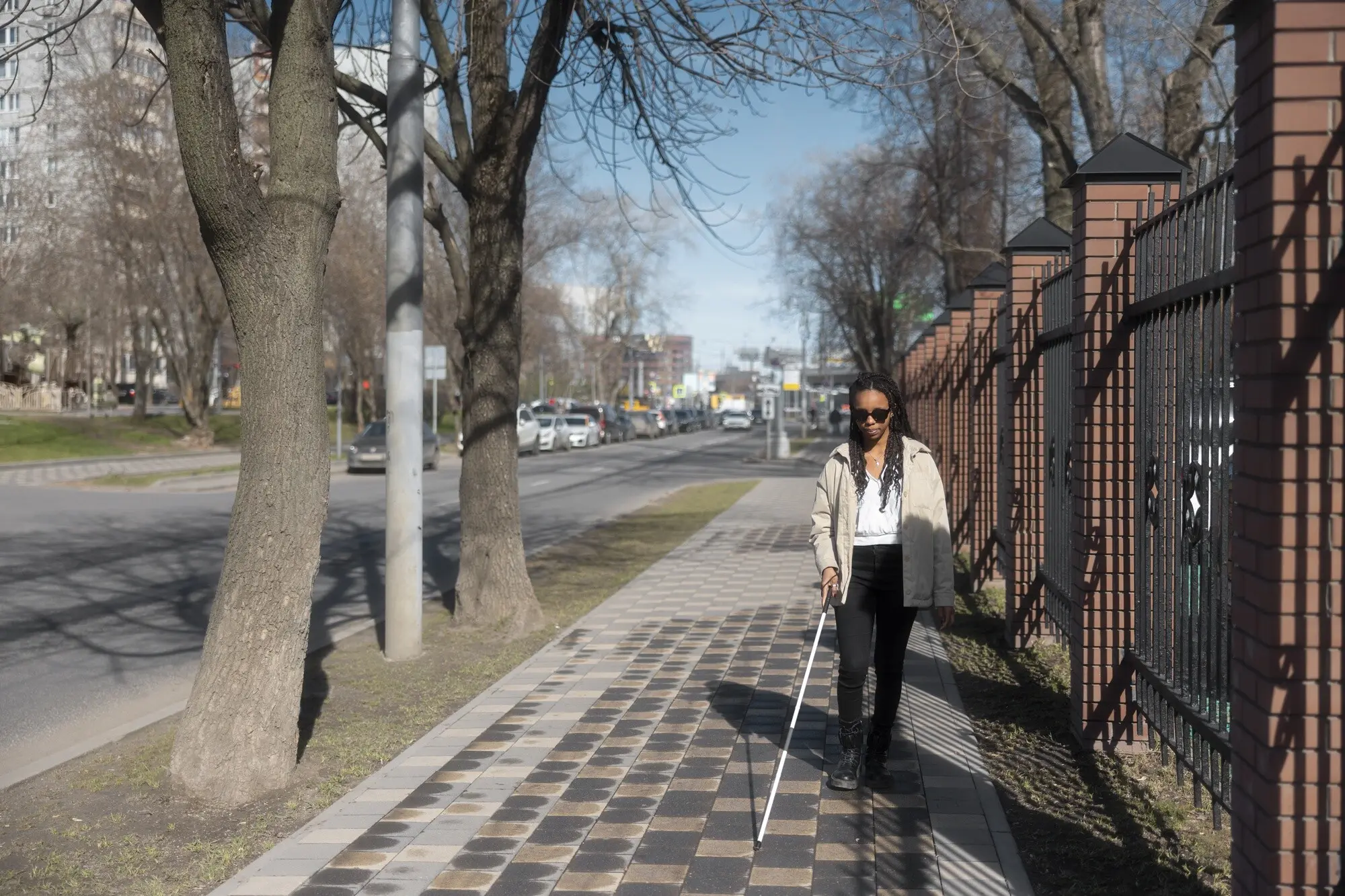
Materials That Meet the Sun
Cool Pavements and High Albedo
Glare, Contrast, and Comfort
People, Stories, and the Edge of the Street
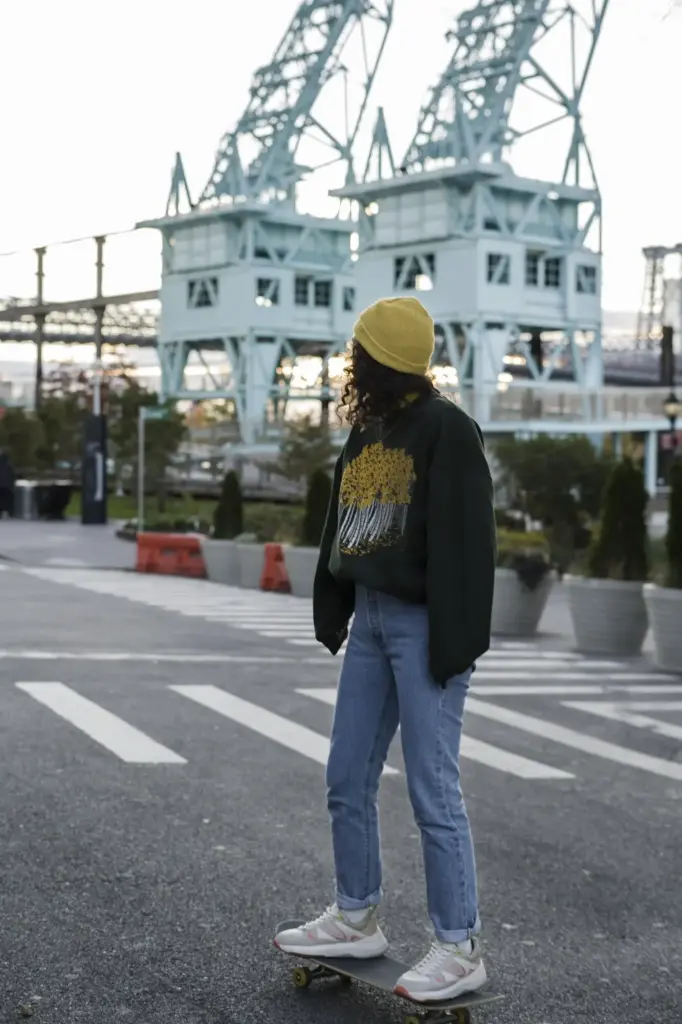
Cafes that Chase the Shadow
Stoops, Porches, and Passing Hellos
Lighting that Guides, Not Glares
Clear Paths for Every Body
Crossings that Respect the Sun
Adaptation, Equity, and Tomorrow’s Streets
Mapping Heat and Planting Fairly
Thermal mapping reveals how a few blocks can feel like different climates. Use those insights to plant where heat harms most, not just where it looks pretty. Combine canopy goals with maintenance plans and stormwater strategies that keep trees alive. Engage residents to choose species offering food or fragrance, weaving culture into climate care. Planting should anticipate drought, pests, and changing seasons, building resilient shade corridors along daily routes to school, work, and groceries. Fair shade is public health, dignity, and neighborhood stability in living form.
Community Stewardship that Lasts
Great sidewalks are kept, not just built. Watering schedules, pruning calendars, and litter sweeps must be predictable, funded, and celebrated. Adopt-a-tree programs match neighbors to saplings, while youth crews learn green skills maintaining planters and drains. Local cafes sponsor misting stations during heat alerts, trading goodwill for foot traffic. Communication boards share care instructions and invite feedback. When storms topple limbs, repairs prioritize walking routes first. Stewardship turns shade into a shared promise, renewing trust between cities and residents with every cared-for branch and swept curb.
Small Experiments, Big Lessons
Pilot projects—temporary shade sails, painted cool pavements, movable benches—teach quickly and affordably. Borrow a weekend, test a plaza, measure surface temperatures, count dwell times, and interview elders about comfort. What fails can be fixed; what works can scale. Share results openly so neighboring streets adapt faster. Invite artists to co-design shade patterns that delight as they protect. Over time, these iterative steps weave a culture of continuous improvement, proving that kindness under sun and shelter grows from curiosity, humility, and data shared with real neighbors.