Cool Streets, Thriving Pedestrians

Today we explore urban tree canopy strategies for pedestrian thermal comfort, turning overheated sidewalks into welcoming routes where shade, airflow, and moisture work together. Learn proven tactics, inspiring case stories, and practical steps you can champion on your block, at your school, and across your city. Share your experiences from summer walks, subscribe for field-tested guides, and help us crowdsource the coolest pathways through neighborhoods that deserve safer, healthier, and more enjoyable daily journeys.

Why Shade Changes Everything

Mean Radiant Temperature Rules the Walk
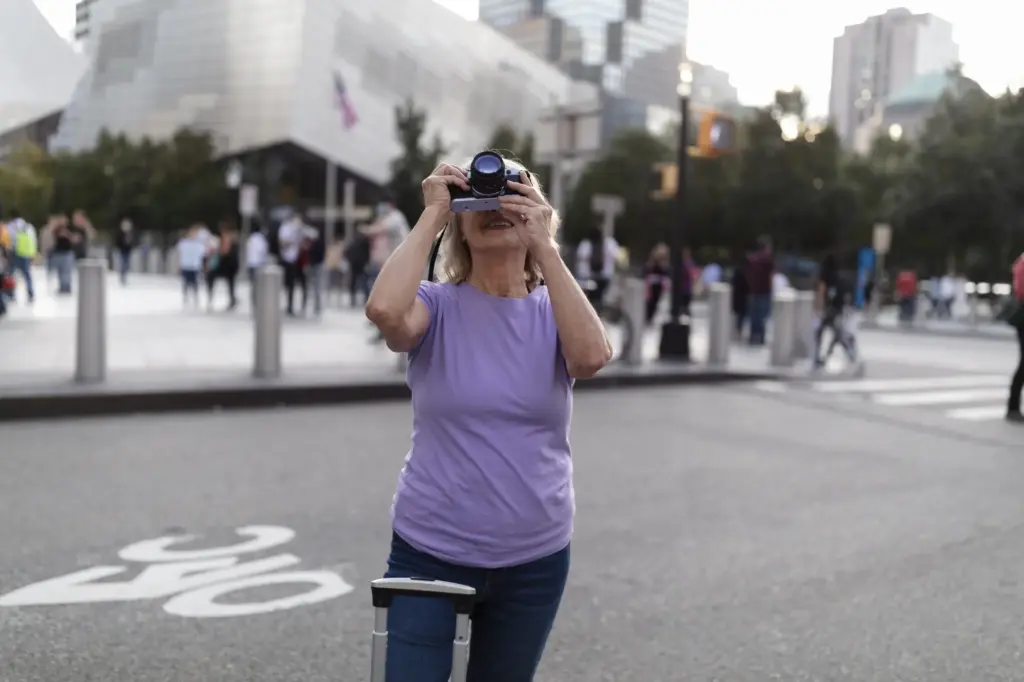
Even when the forecast feels moderate, stone, asphalt, and glass can radiate punishing energy at body level. Broad crowns lower exposure dramatically, protecting skin, eyes, and energy levels. When walk distances shrink in perceived effort, errands feel doable, kids linger longer outdoors, and neighbors reconnect. Tell us where glare hits hardest on your route, and we will help translate that hotspot into a targeted shading move anchored by evidence and easy-to-share graphics.

Evapotranspiration: Nature’s Subtle Cooler
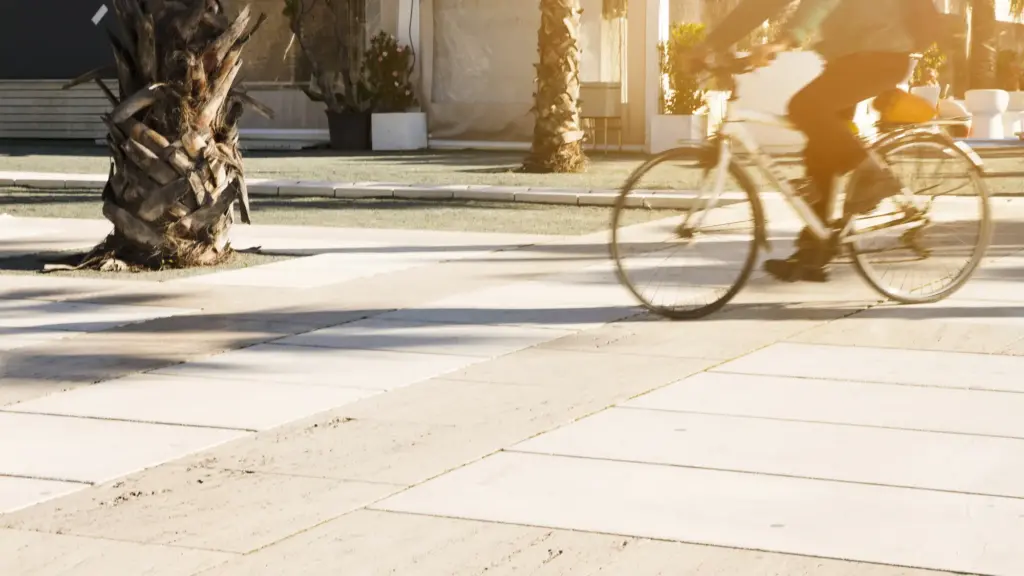
Through tiny leaf pores, trees release water vapor that sips heat from the air as it changes state, adding a gentle cooling halo around sidewalks. Combined with shade, this effect reduces subjective fatigue and quiets the restless search for indoor refuge. When paired with curbside rain capture, the cooling persists between storms. Share your street’s runoff patterns, and we will suggest planting densities that turn waste water into comfort, beauty, and habitat.

From Noon Blaze to Evening Relief

Comfort shifts hour by hour. Morning low-angle sun burns faces and necks; afternoon radiation bounces from façades; evenings trap heat in canyon-like streets. Species with layered foliage and multi-directional branch structure buffer different solar angles across the day. Map your daily stroll times in comments, and we will recommend crown shapes and alignments that best intercept troublesome light while preserving views, storefront visibility, and a delightful dance of dappled luminance.

Designing Canopies That Actually Work
Not every tree cools equally. Crown architecture, leaf area index, spacing, and under-canopy height define how pedestrians experience shade in motion. Design for continuous shade paths, not isolated islands. Mix fast starters with long-lived anchors, adjust spacing for sun angles by season, and balance root space with utilities. By coordinating horticulture, urban design, and maintenance, streets can become legible, cool corridors that welcome strollers, wheelchairs, cyclists, and commuters without blocking storefronts or transit operations.

Measuring Comfort People Actually Feel

Great stories need great data. We translate complex indicators like UTCI, PET, MRT, and WBGT into simple sketches and color bands that decision-makers and neighbors understand. Low-cost sensors, shade audits at different hours, and brief intercept surveys reveal what matters on the ground. Pair satellite imagery with curb-level measurements to target the most punishing blocks. If you can share a route and time of day, we can help structure a quick, respectful comfort study.

Water, Soil, and Long-Life Trees

Lasting comfort depends on healthy trees that survive droughts, storms, and utility work. Design green-blue systems that harvest roof and street runoff, feed continuous root zones, and keep soil oxygenated. Choose drought-tolerant species but prepare backup irrigation for the first summers. Protect trunks from bikes and doors. When maintenance is predictable and funded, canopies expand, cooling deepens, and the city saves money. Tell us your rainfall pattern, and we will propose reliable, resilient watering strategies.

Passive Irrigation Loops From Streets and Roofs

Curb cuts, check dams, and subgrade chambers move stormwater into soil vaults where roots can drink slowly for days. Bioswales double as habitat and traffic calming, while overflow routes protect basements. Pair sensors with simple weirs to tune performance. Share slopes and drainage quirks, and we will sketch a gravity-fed loop that reduces trucked water, stabilizes growth, and keeps shaded walks comfortable even after long dry spells that stress less thoughtfully planted corridors.

Root-Friendly Pavements and Structural Soils

Suspended slabs and structural soil mixes support sidewalks while granting roots room to expand without heaving pavers. Permeable surfaces welcome rainfall, oxygen, and microbial allies. Detail edges to prevent trip hazards and salt intrusion. Coordinate with utility corridors before digging. If you post width, traffic loads, and adjacent uses, we will suggest assemblies that balance durability, accessibility, and generous rooting volumes that grow the broad crowns walkers crave on bright, relentless summer days.
Networks, Equity, and Where Shade Goes First
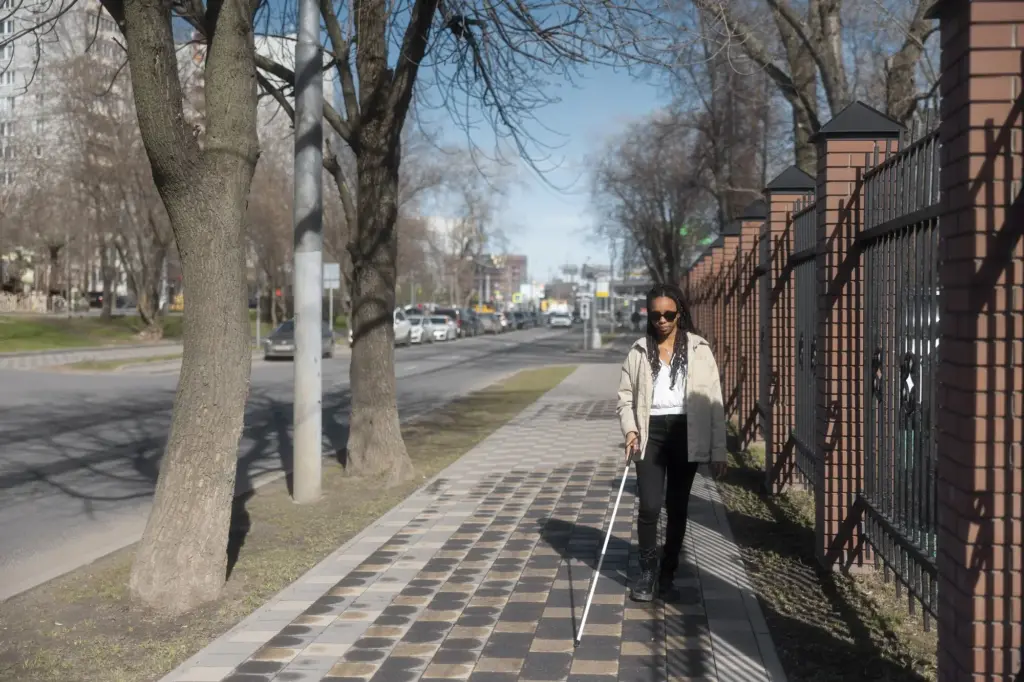
Heat risk is not evenly distributed. Transit riders, outdoor workers, children, and elders shoulder the harshest exposure. Shade must connect homes to schools, clinics, transit, parks, and small businesses with dignity. Use vulnerability maps, crash data, and community requests to prioritize corridors. Pair planting with tactical cooling now, then permanent infrastructure later. If you share your city’s priorities, we will help craft a shortlist that blends urgency, feasibility, and fairness without leaving quieter neighborhoods behind.

Safe Routes for Kids and Elders

Comfort buys time. Time buys attention, confidence, and safety. Trees that cool crosswalks, bus stops, and school gates keep people alert and calm. Use shorter spacing where bodies pause, and layered species near benches and ramps. Tell us your bell times and senior center hours, and we will propose a day-part strategy ensuring shade where lines form, where caregivers wait, and where a cool pause can change someone’s willingness to finish the trip.

Heat Justice Through Co‑Design

Shade should be shaped with local knowledge, not dropped in from a distant desk. Workshops under temporary canopies gather stories, test alignments with tape, and mark roots with chalk. Offer childcare, translation, food, and stipends. Track commitments publicly. Share how neighbors prefer to gather, and we will suggest formats that invite renters, street vendors, and shift workers, building durable trust that carries from sapling to mature canopy and safeguards cooling for decades.

Pilots, Proof, and Scaling Up

Quick demonstrations build momentum. Pop-up shade corridors, low-cost sensors, and rapid planting in priority blocks produce data people can feel in their bodies. Pair temporary sails with young trees so today’s relief bridges tomorrow’s canopy. Publish walk-along videos, comfort dashboards, and maintenance reports to keep trust. If you want a starter kit, comment with a street length and budget, and we will propose a pilot that persuades skeptics and unlocks citywide investment.