
Shaping Streets That Stay Cool All Day

Cities are heating up, but we can cool them with enforceable rules. Today we dive into policy and zoning tools to mandate shade in urban streetscape projects, turning aspirations into measurable requirements that developers, agencies, and communities can trust. Expect concrete standards, clear metrics, pragmatic enforcement strategies, and inspiring examples that show how mandatory shade accelerates safety, comfort, equity, and thriving street life—so you can advocate, legislate, and build cooler blocks that welcome everyone, all year. Share your street’s experience in the comments and subscribe for field-tested templates you can take to the next hearing.

Why Mandated Shade Changes Everything

{{SECTION_SUBTITLE}}

Public Health and Heat Risk

Medical evidence shows shaded routes can drop mean radiant temperature dramatically, lowering core strain for walkers and transit riders. Embedding shade requirements near clinics, bus stops, schools, and senior housing prevents heat illness, supports outdoor activity prescriptions, and keeps health budgets from spiraling during persistent heat waves.

Comfort, Commerce, and Mobility

Shaded frontages lengthen dwell time, boost window shopping, and keep patios open. Merchants report higher afternoon receipts where trees or canopies cover at least half the sidewalk. Requiring shade along bike lanes and crossings also increases perceived safety, encouraging short trips to shift from cars to feet and pedals.

Zoning Levers that Lock in Shade

Ordinances can be precise. Instead of vague landscape intentions, write frontage tables that specify canopy coverage at noon on solstice, minimum tree caliper at planting, or continuous awning percentages. Tie compliance to certificates of occupancy and sidewalk acceptance so shade is delivered before ribbon cuttings—and preserved during utility work.

Frontage Standards and Canopy Coverage Minimums

Require a minimum percent of sidewalk area to be shaded by vegetation or structures at peak sun hours, verified through modeled sun studies. Caliper and soil rules prevent token saplings. Corner radii, bus pads, and curb extensions must still achieve the target through clustered trees or integrated shading devices.
Form-Based Codes and Arcades

Allow or require arcades and colonnades within build-to zones, trading slight floor area bonuses for continuous pedestrian shade. Establish clear sightlines, lighting, drainage, and storefront transparency rules so sheltered walks feel safe at night, celebrate retail, and remain accessible to wheelchairs, strollers, and delivery carts without conflict.
Overlay Districts Targeting Heat Islands

Create heat mitigation overlays around transit corridors, school zones, and warehouse clusters where asphalt and rooftops drive extreme surface temperatures. Overlays can tighten shade ratios, require high-albedo paving where trees cannot fit, and fund maintenance crews through special assessments dedicated to pruning, irrigation, and device inspections.

Specifications that Make Shade Work

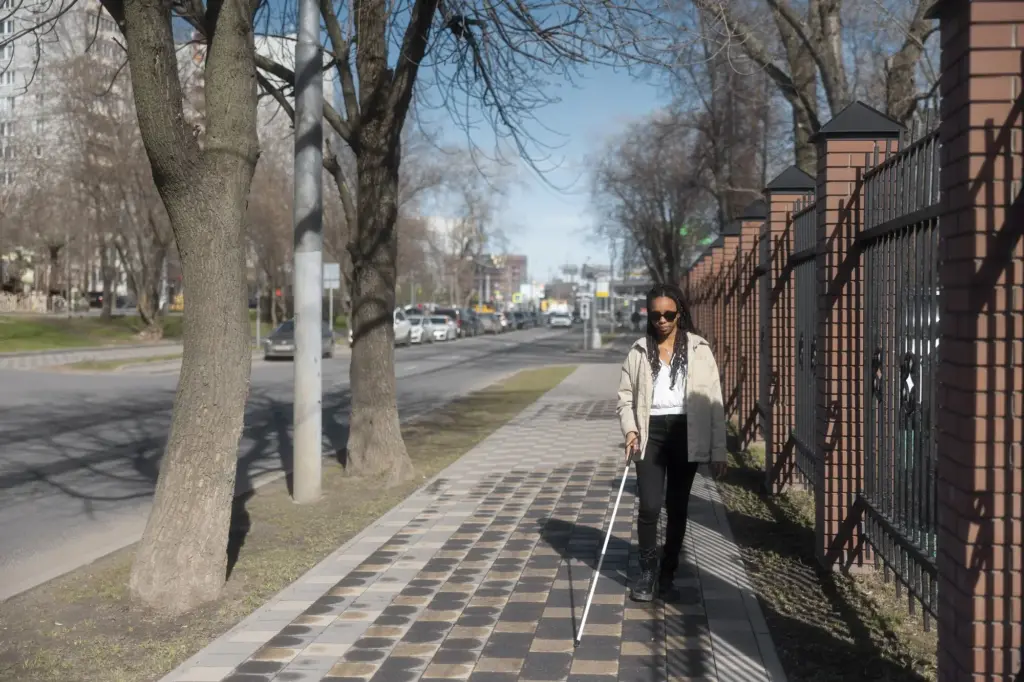
Badly detailed shade fails fast. Codes should require generous soil volumes, structural cells where sidewalks are narrow, and climate-resilient species mixes. Where roots cannot thrive, mandate durable canopies with replaceable fabric or louvers. Write clearance, crime prevention, and tactile paving rules that harmonize cooling with universal accessibility and safety.

Approval, Compliance, and Enforcement

Mandates matter only when enforced. Require stamped shade studies at entitlement, tie bonds to living canopy survival, and deny temporary occupancy if required devices are missing. Create simple field checklists for inspectors, and publish scorecards so residents and merchants can track whether promised cooling has actually appeared curbside.

Plan Review with Quantified Shade Metrics

Adopt clear metrics such as sky view factor, mean radiant temperature, or percentage of sidewalk shaded at 1 p.m. on the summer solstice. Accept simulations from standardized tools, require raw files for audits, and condition approvals on achieving targets across each frontage segment, not just at select pockets.

Inspections, Performance Bonds, and Maintenance Triggers

Trees die and fabrics tear; codes must anticipate that. Link performance bonds to three-year survival rates and canopy targets. Set maintenance triggers for irrigation failures, broken brackets, or vandalized louvers. Noncompliance should pause permits or trigger escalating fines until shade performance recovers to approved levels.

Data, Sensors, and Community Reporting

Low-cost sensors and shade audits by volunteers can verify cooling where people walk and wait. Launch dashboards that publish block-level temperatures and compliance maps. Encourage residents, couriers, and street vendors to flag hotspots with photos, prompting corrective actions and highlighting locations where overlays or stricter frontage standards are warranted.

Funding and Delivery Pathways

Cool sidewalks are capital assets. Cities can require developers to construct shade and then share upkeep through assessments, or bond against dedicated heat resilience funds. Pair obligations with incentives, like density bonuses after long-lived canopy is verified, ensuring private dollars help deliver enduring, maintainable shade on the public realm.

Stories from Cities Getting It Right

Results persuade more than promises. From desert metros to coastal capitals, jurisdictions are quantifying, requiring, and maintaining shade as essential public infrastructure. These narratives show how codes overcame skeptics, protected storefront visibility, and kept buses attractive in summer, giving you language and precedents to move a similar ordinance locally.

Phoenix and Tempe Heat-Ready Standards

Maricopa communities link permits to shade along transit corridors, using heat maps to pick priority blocks and strict frontage tables to deliver canopy now, not later. Merchants credit cooler sidewalks with afternoon sales, and transit riders finally wait under leaves or steel canopies instead of baking on bare concrete.

Melbourne’s Urban Forest and Cool Corridors

Through evidence-based targets, Melbourne pursued extensive canopy coverage, generous soil requirements, and resilient species mixes. Coupled with pedestrian-priority corridors, the approach moderated radiant temperatures and lengthened lunchtime walks. Codified maintenance obligations kept young trees alive during drought, proving mandates can deliver reliable comfort even as climates grow more volatile.

Barcelona Superblocks and Shaded Plazas

By taming car traffic and opening streets to people, Barcelona multiplied planting areas and installed structures that cast deep shade over play spaces and outdoor classrooms. Performance standards protected visibility and accessibility while ensuring plazas stayed cool enough for festivals, markets, and evening gatherings throughout long Mediterranean summers.